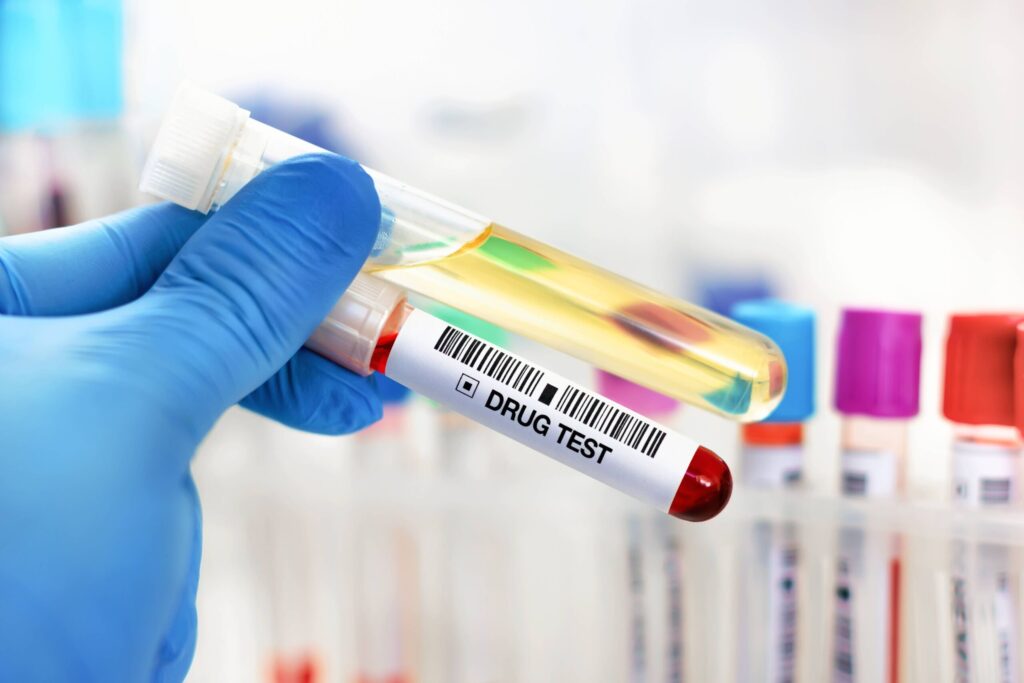
Maintaining a safe and responsible workplace is essential for organisations across all industries. Employees who perform safety-sensitive tasks must remain alert, focused and capable of making sound decisions. Alcohol screening is an important part of workplace health programmes that helps employers ensure their workforce is fit to perform duties safely and responsibly.
Alcohol screening is a medical testing process used to detect the presence of alcohol in a person’s system. Many companies use alcohol screening as part of their workplace safety policies, particularly in industries where employees operate machinery, drive vehicles or perform physically demanding tasks. By conducting regular alcohol screening, organisations can reduce the risk of accidents and maintain high standards of safety.
One of the most common situations where alcohol screening is used is during workplace health and safety checks. Employers may request screening before a shift begins, during routine workplace assessments or following a workplace incident. These checks help confirm that employees are not under the influence of alcohol while performing their duties.
Alcohol screening may also be included as part of pre-employment medical assessments. Employers want to ensure that potential employees meet the standards required for their roles, particularly in industries where safety is critical. Pre-employment alcohol screening helps organisations confirm that candidates are ready to meet workplace expectations and responsibilities.
The alcohol screening process is typically quick and straightforward. It is usually performed using specialised breath testing equipment that measures alcohol levels in a person’s breath. The test is conducted by trained professionals to ensure accurate and reliable results. In some cases, additional testing may be carried out if further confirmation is required.
Implementing alcohol screening in the workplace offers several benefits. It helps create a safer working environment by reducing the likelihood of accidents caused by impaired judgment or delayed reaction times. Employees working in high-risk environments such as construction, transportation and manufacturing benefit from the added safety these screening procedures provide.
Alcohol screening also promotes a culture of accountability within organisations. When clear workplace policies are in place, employees understand the importance of maintaining professional standards while at work. This approach encourages responsible behaviour and supports overall employee wellbeing.
Another advantage of alcohol screening is regulatory compliance. Many industries have strict safety regulations that require employers to implement health monitoring procedures. Alcohol screening helps organisations demonstrate that they are actively managing workplace risks and maintaining compliance with relevant safety standards.
At ERA Health in Melbourne, alcohol screening services are conducted by experienced medical professionals who understand the importance of workplace safety. The clinic provides reliable and confidential screening that supports employers in maintaining safe working conditions while protecting the wellbeing of employees.
By incorporating alcohol screening into workplace health programmes, organisations can strengthen safety practices and promote a responsible work culture. Regular screening ensures that employees remain fit for duty, helping businesses operate efficiently while prioritising the safety of their workforce.